

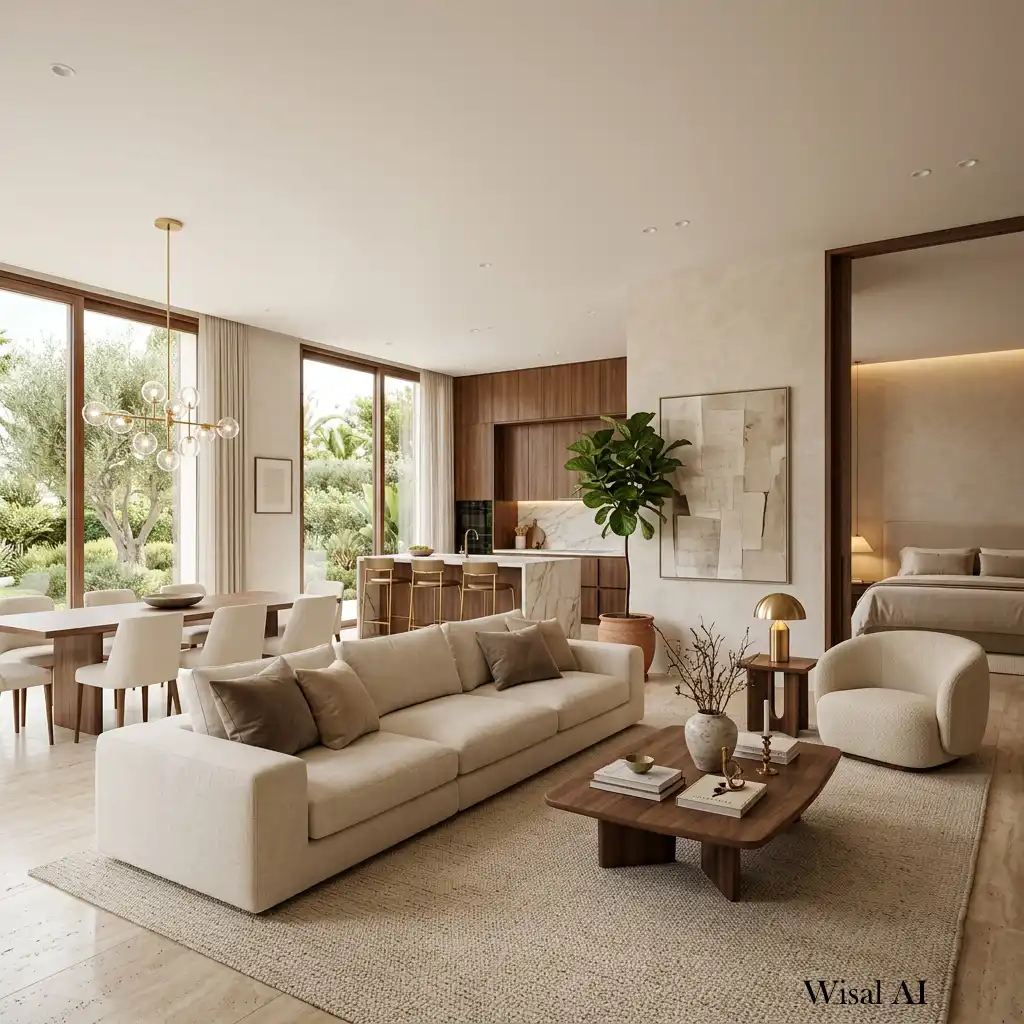
A comfortable home is not necessarily the biggest, newest, or most beautifully decorated one. Often, comfort comes from details that receive little attention during decorating or renovation. The position of a lamp, the amount of noise entering a bedroom, the temperature of the floor, or even where everyday items are stored can influence how pleasant a home feels. These seemingly minor factors shape daily routines and determine whether a space genuinely works for the people living there.
Understanding these details can help homeowners improve their surroundings without immediately turning to expensive renovations. Comfort is often less about adding more and more about noticing what makes everyday life unnecessarily difficult.
Natural Light Changes More Than Appearance
Natural light can completely change the atmosphere of a room. A space filled with daylight often feels more open and inviting, while a poorly lit room can feel smaller regardless of its actual dimensions.
Furniture placement has a significant influence on how daylight travels through a room. Large cabinets or tall furniture positioned close to windows may block valuable light. Heavy curtains can have a similar effect. Moving furniture, using lighter window coverings, or placing mirrors where they reflect daylight can sometimes improve a room without structural changes.
It is also worth considering how rooms are used throughout the day. A breakfast area may benefit from morning sunlight, while a workspace needs consistent lighting that does not create uncomfortable screen glare.
Temperature Should Feel Consistent
People often think about heating and cooling equipment when discussing indoor temperature, but comfort also depends on how evenly temperature is distributed.
Drafts around windows and doors can make certain areas noticeably colder. Direct sunlight may cause another room to become unusually warm during the afternoon. Rugs, curtains, ceiling fans, ventilation, and thoughtful furniture placement can all contribute to better temperature management.
Lifestyle resources such as Vizz.com.au can provide ideas for improving everyday living, but observing how your own home behaves throughout the day is equally important. Identifying the rooms that regularly feel too warm, cold, or stuffy can reveal small changes worth making before considering larger upgrades.
Noise Has a Bigger Impact Than Expected
Noise is one of the easiest comfort factors to overlook because people gradually become accustomed to it.
Traffic, appliances, neighboring properties, televisions, plumbing, and conversations from other rooms can all affect how peaceful a home feels. Hard surfaces can make the problem worse by allowing sound to bounce around a room.
Soft furnishings offer a straightforward way to reduce some of this effect. Curtains, rugs, upholstered furniture, and fabric accessories can help absorb sound. Bookshelves and other substantial furniture may also reduce the amount of sound traveling through certain walls.
The objective does not have to be complete silence. A comfortable home simply needs enough acoustic separation for people to work, sleep, talk, and relax without constantly competing with unwanted noise.
Storage Should Match Everyday Behavior
Storage can look impressive while still being inconvenient.
A beautifully organized cabinet is not particularly helpful if frequently used items require moving several other objects to reach them. Effective storage should reflect how people actually behave rather than how a room looks immediately after organizing it.
Items used every day should generally be easy to reach. Less frequently used possessions can occupy higher shelves or less accessible areas. Creating designated places for keys, bags, shoes, chargers, school supplies, and other frequently misplaced items can remove small frustrations from daily routines.
This becomes especially valuable in busy households. Advice found in a parenting guide Australia families might consult may discuss schedules and routines, but the physical organization of the home can support those routines too. When children and adults know where everyday belongings belong, mornings and evenings can become easier to manage.
Furniture Spacing Influences Movement
A room can contain attractive furniture and still feel uncomfortable if moving through it requires constantly navigating obstacles.
Clear walking routes are an underrated part of interior planning. People should be able to enter a room, reach commonly used areas, and move between furniture without awkward turns.
Sometimes improving circulation requires removing rather than adding something. An oversized coffee table, an unnecessary chair, or decorative furniture positioned in a walkway can make a room feel crowded.
Before purchasing additional furniture, consider how people naturally move through the space. Designing around those patterns can make even relatively small rooms feel more functional.
Small Sensory Details Shape the Atmosphere
Comfort involves more than what a home looks like. Texture, smell, sound, and temperature all contribute to how a space is experienced.
Fresh bedding, comfortable cushions, soft towels, pleasant airflow, and clean surfaces can create a stronger feeling of comfort than expensive decorative objects. Even small details such as the texture of a sofa or the brightness of a bedside lamp can influence whether a room feels relaxing.
Readers browsing a Melbourne blog for home inspiration may encounter beautifully styled interiors, but photographs cannot fully communicate these sensory qualities. A visually impressive room still needs to feel comfortable when someone actually sits, sleeps, cooks, or spends several hours there.
The Entrance Sets the Tone
The entrance is usually treated as a decorative opportunity, but it is also an important functional area.
A practical entrance provides somewhere for frequently used belongings without allowing clutter to spread through the home. Hooks, a small shoe area, accessible storage, and adequate lighting can make arrivals and departures easier.
The surrounding environment can influence what an entrance needs to accommodate. In areas where residents rely heavily on city transportation, for instance, households may regularly carry backpacks, umbrellas, reusable shopping bags, work equipment, or other items during daily journeys. Giving those objects a logical place near the entrance prevents them from accumulating elsewhere.
Airflow Deserves Attention
A room can look perfect and still feel unpleasant when the air is stale.
Opening windows when conditions permit is one of the simplest ways to improve ventilation. Ceiling fans and correctly maintained ventilation systems can also help keep air moving.
Furniture placement matters here as well. Large pieces positioned directly against vents may interfere with airflow. Regular cleaning is equally important because dust can accumulate around vents, fans, and filters.
Indoor comfort is often improved by paying attention to these ordinary maintenance tasks rather than waiting until something becomes noticeably wrong.
Convenience Is Often Hidden in Placement
Some of the best home improvements involve moving existing objects a short distance.
A reading chair becomes more useful when there is a lamp nearby. A kitchen works better when frequently used utensils are stored close to the preparation area. A laundry space becomes easier to use when detergent, baskets, and cleaning supplies are positioned where they are actually needed.
These changes cost little or nothing. They simply require observing where small inconveniences repeatedly occur.
Comfort Comes From How a Home Works
Creating a comfortable home does not always require following design trends or beginning a major renovation. It requires paying attention to daily experience.
Notice where clutter repeatedly appears, which rooms feel noisy, where lighting is inadequate, and which pieces of furniture interrupt natural movement. Think about temperature, airflow, storage, textures, and the location of frequently used objects.
A home becomes genuinely comfortable when its spaces support ordinary life without demanding constant effort from the people living there. The details may be easy to overlook individually, but together they determine whether a house merely looks good or truly feels good to live in.