
Most California landlords inspect their rental properties every 3 to 6 months. This frequency helps catch maintenance issues early while respecting tenants’ privacy. Regular inspections also protect your investment by identifying problems before they become expensive repairs.
However, the right home inspectionr schedule in California depends on your specific situation. New leases, multi-family properties, or units with previous damage may need more frequent visits. Long-term, reliable tenants often require fewer checks.
Recommended Inspection Frequency
In practice, this usually means between 2 and 4 routine inspections per year. The exact number depends on factors like property condition, tenant history, and insurance requirements.
Standard Routine for Most Rentals
For most rental properties, a simple pattern works best: inspect once after the first 3 months, then every 6 months if everything looks good.
Many property management guides suggest an initial inspection after the first 3 months. This early visit helps you catch any issues before they become expensive problems and builds rapport with new tenants.
Some landlords choose quarterly inspections during the first year or when risk factors exist. After establishing trust, they move to semi-annual or annual visits with long-term, reliable tenants.
Some California landlords choose to schedule a brief check-in visit within the first month, provided proper notice is given, and the purpose is clearly stated. This confirms the tenant has settled in and everything is working properly.
California Legal Requirements and Reasonable Limits on Inspections
In California, landlords must follow California Civil Code Section 1954, which governs when and how landlords can enter rental properties. The law permits entry only for specific purposes:
- Making necessary or agreed-upon repairs
- Conducting safety inspections for habitability compliance
- Showing the unit to prospective tenants, buyers, or contractors
- Responding to emergencies
- Performing a move-out inspection
Notice requirements:
- Provide at least 24 hours’ written notice before non-emergency inspections
- Notice must include the date, approximate time, and purpose of entry
- If mailed, allow sufficient time for delivery, typically around 6 days, before the planned entry
- Schedule visits during normal business hours (typically 8 AM to 6 PM)
- For move-out inspections, provide at least 48 hours’ notice
Important:
California law does not explicitly permit unrestricted or unspecified inspections without a clear, lawful purpose. Inspections should be tied to specific reasons like safety checks, maintenance assessments, or habitability compliance. Random or non-specific inspections may be challenged by tenants.
Excessive or unjustified inspections can be considered harassment under California law. California Civil Code 1954 specifically states that landlords “may not abuse the right of access or use it to harass the tenant.” Stick to a reasonable schedule and document your reasons for each visit.
When You Might Inspect More or Less Often?
Your inspection frequency should match the risk level of your specific situation. Here’s when to adjust your schedule:
Inspect more frequently (every 3 months) for:
- New leases during the first year
- Multi-family properties or units with shared spaces
- Properties with a history of damage or maintenance issues
- Signs of neglect or lease violations
- When your insurer requires documented checks
Inspect less frequently (semi-annually or annually) with:
- Long-term tenants who consistently maintain the property
- Tenants who report issues promptly
- Properties with no history of problems
Always check your landlord’s insurance policy. Some insurers require documented inspections at set intervals. Missing these could affect your coverage when you need it most.
What to Check During a Routine Inspection?
A thorough inspection covers safety, condition, and compliance. Focus on areas that can cause expensive damage if left unchecked.
Safety Features
Test all smoke alarms and carbon monoxide detectors. Replace batteries if needed. California law requires working smoke detectors in all rental units and carbon monoxide detectors in units with fossil fuel-burning appliances or attached garages. Check that fire escape routes are clear and accessible.
Damp and Ventilation
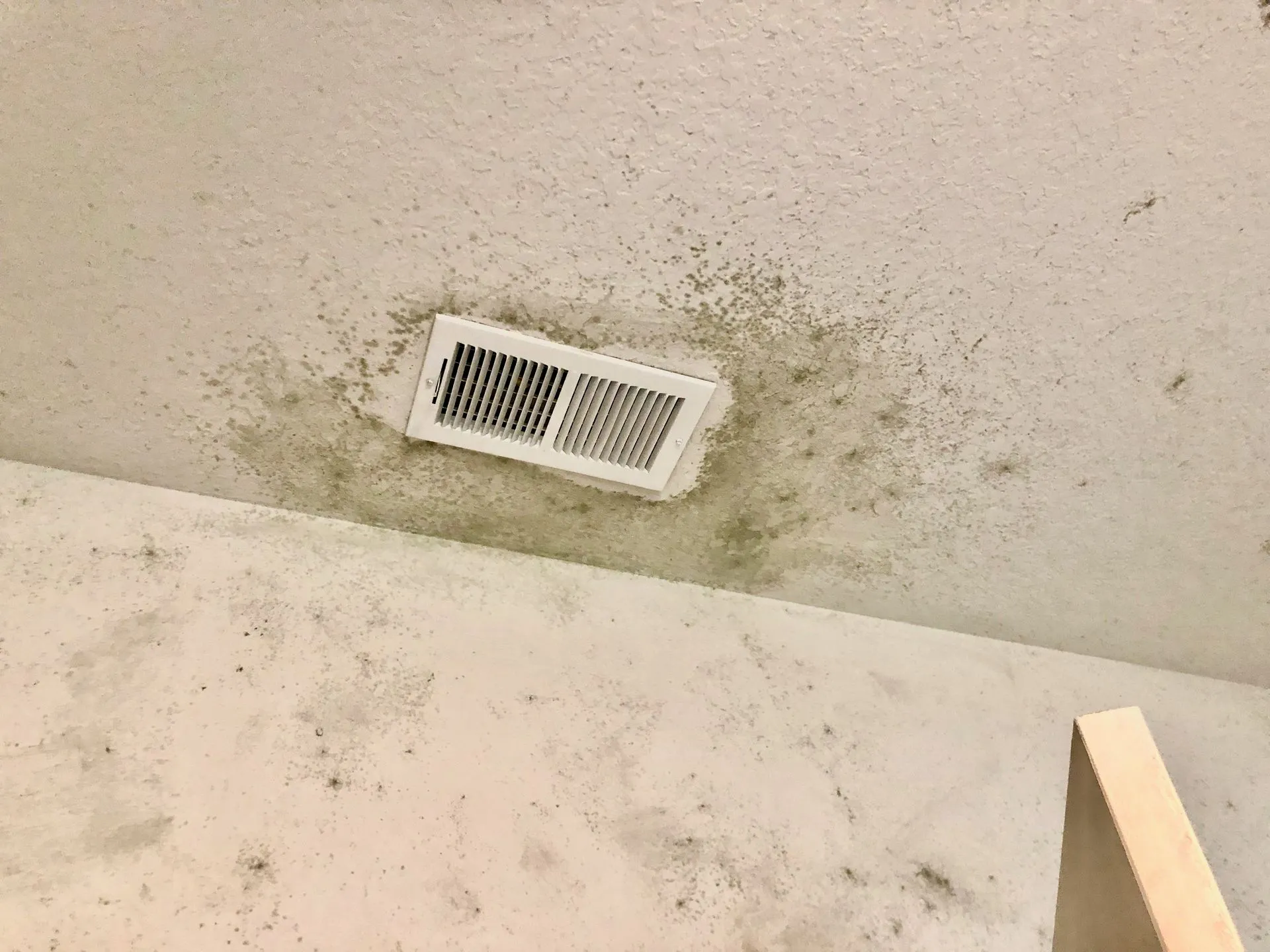
Look for signs of moisture buildup, mold, and condensation. Check around windows, in bathrooms, and behind furniture placed against exterior walls. Ensure extractor fans work properly in kitchens and bathrooms.
Plumbing and Leaks
Inspect under sinks for leaks or water damage. Check faucets, showerheads, and toilet tanks. Look at the ceilings below the bathrooms for water stains. A small leak can cause major damage in months.
Lease Agreement Compliance
Look for signs of unauthorized occupants, pets, or smoking if these breach your agreement. Watch for evidence of subletting, which could violate your lease terms or local housing regulations.
Documentation
- Use a simple checklist and take date-stamped photos. Compare images to previous inspections to track wear and tear over time.
- Document any serious deterioration. This evidence protects you during security deposit disputes and proves you fulfilled your maintenance obligations.
Not every landlord has the time, training, or technical expertise to conduct thorough property inspections. Greenhorn Breckenridge provides certified residential and commercial property inspections covering electrical systems, HVAC, roofing, foundations, and more.
[Book a Service]
How to Keep Inspections Tenant-Friendly and Compliant?
Good communication turns inspections from confrontational to collaborative. Tenants who understand the process are more likely to cooperate and maintain the property well.
Set Clear Expectations Upfront:
- Include inspection terms in your lease agreement clearly
- State the expected frequency and purpose of routine inspections
- Explain that additional visits may occur for repairs or emergencies
- Provide tenants with a written copy of inspection policies
- Discuss expectations during the move-in process
Give Proper Notice Every Time:
- Always provide at least 24 hours’ written notice beforehand (48 hours for move-out inspections)
- Use email, letter, or text for documented communication
- Include the date, approximate time, and specific purpose of the visit
- Offer tenants a choice of convenient dates and times when possible
- Entries must be during normal business hours unless the tenant agrees otherwise
After each inspection, send the tenant a written summary. Note any issues found and who is responsible for fixing them. This builds trust and creates a paper trail for any future disagreements.
Can a tenant refuse a landlord inspection in California?
In California, tenants must allow entry with proper notice for lawful purposes. However, landlords generally cannot force entry without consent unless there is an emergency or a court order. Document repeated refusals and consult a property attorney about your options.
What happens if a landlord enters without permission?
Unauthorized entry, except in genuine emergencies, can violate a tenant’s right to quiet enjoyment under California law. This could result in legal action, civil penalties, or lease termination. Always follow proper notice requirements.
Conclusion
Regular property inspections protect your investment and keep tenants safe. Most California landlords find that inspecting every 3 to 6 months strikes the right balance between property oversight and tenant privacy. Start with an early check at 3 months for new leases, then adjust based on how well the tenant maintains the property. Always give proper notice, document everything, and communicate clearly with your tenants.
Need Professional Property Inspections in California?
Greenhorn Breckenridge is a veteran-owned, family-operated inspection company serving Kern County, Bakersfield, and the High Desert. We offer residential inspections, commercial inspections, mold testing, radon testing, and mobile home inspections.
Our InterNACHI and Mold IA2C certified inspectors have completed thousands of inspections since 2020, delivering fast, detailed reports that empower homeowners, buyers, sellers, investors, and real estate agents.
Call (888) 890-1313 or visit greenhornbreckenridge.com to schedule your inspection today.