
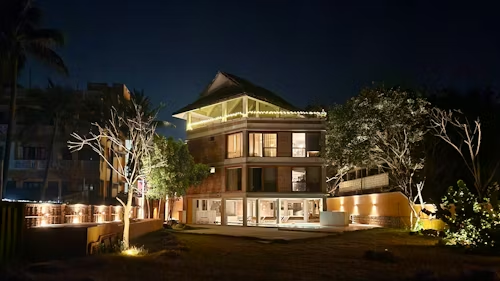
Backyard comfort in Southern California means being able to enjoy the beautiful views and pleasant climate all year long. However, the constant wind in the area makes it difficult to enjoy the backyard. The ocean breeze is detrimental to plants, blows away furniture, and makes it difficult to enjoy the outdoors. With thoughtful planning, you can create a wind-conscious backyard design that stays comfortable throughout the year.
Understanding Coastal Wind Challenges
Wind isn’t random in your yard. It patterns itself around where your house sits and what else surrounds it. Coastal gusts commonly come off the sea and peak in late afternoon, the very moment you’d want to kick back outside.
Common wind headaches include:
· Plants are withering away faster than you can water them.
· Furniture tipping or blowing away
· Difficulty in holding conversations outdoors because of chatter and noise
· Salt damage to metal fixtures and fabrics
· Outdoor spaces are not being utilized even when the weather is fine
How to create a wind-conscious backyard design
Hardscape Wind Protection
The process of creating a wind-conscious backyard design begins with understanding how structures, grade changes, and landscape elements alter airflow patterns. Sturdy walls and solid structures provide good wind protection. A barrier appropriately sited can carve out a zone of calm roughly five times its height.
Semi-permeable barriers provide a better natural balance:
· Slatted fences with open gaps between boards
· Walls with cutouts
· Combined solid and open panels
These break up the wind instead of blocking it, allowing for gentler air flow and comfort. Sunken patios are particularly effective.
Dropping your seating area 2–3 feet below ground level provides built-in wind protection without making the space feel closed off.
Windbreak Landscaping
It helps to block the winds and make your yard aesthetically beautiful. The most effective windbreak landscaping involves a combination of tall trees, shrubs, and groundcovers. The native plant species found along the California Coast, such as the lemonade berry plant and coast live oak, are more resistant to windstorms.
Key Planting Tips:
· Windbreaks should be placed 15 to 20 feet away from seating areas
· Use multiple rows rather than a single line
· Allow 2-4 years for establishment
· Do not overgrow—they will weaken and become brittle.
While permanent landscaping provides long-term solutions, temporary landscaping solutions utilize either temporary screens or vines that grow rapidly.
Patio and deck wind mitigation
Selecting the location wisely is important for patio and deck design. It’s highly recommended to study and understand the prevailing winds during different seasons before finalizing the location. Homeowners often consult a Del Mar backyard remodel professional to design wind-conscious layouts that prioritize privacy, comfort, and plant selection.
These covered structures allow outdoor spaces to be utilized:
· Pergolas and shade sails with solid or louvered roof coverings
· Extended roof overhangs
· Pavilions with partial walls
Seek roofs with shaded areas covering not less than 70%. Wide-spaced rafters allow shaded areas but fail to protect the building from wind. Railings also affect comfort levels. More wind will be blocked by a rail consisting of panels, whether made of solids or glass, compared to a cable or picket rail.
Privacy Screens for Coastal Yards
Freestanding screens create sheltered outdoor living spaces
without sealing off your whole yard. Set them beside seating areas, and you get relief from the wind.
Some good choices are perforated metal, slatted wood, and frosted glass. Screens should be about 5–6 feet tall—tall enough to screen you while sitting, but not so tall that you feel enclosed. Install screens correctly; strong sea breezes can knock over poorly anchored arrangements.
Placement of Coastal Outdoor Furniture
Place seating in protected areas you have built, not in the open. No amount of wind protection will succeed if the furniture is placed in a draughty location.
Choose some heavy wind-resistant pieces:
· Cast aluminum or wrought iron
· Solid wood
· Actual concrete or stone
· Inset seating
Low-profile designs catch less wind than tall-backed chairs. Always keep storage or tie-down options for windy days.
Plantings that Withstand Winds
Coastal plants withstand constant wind and salt spray. Success requires choosing tough species and providing regular care.
Plant care basics:
· Prefer native coastal varieties when you can
· Regular washing of leaves to remove the salt end
· Thin canopies to reduce wind resistance
· Remove dead branches immediately.
· Water more frequently than inland gardens.
Don’t fight the natural wind-shaped forms; instead, embrace them. Doing so minimizes plant stress and allows views that are much more aesthetically pleasing.
Outdoor Airflow Management
The goal isn’t to eliminate all wind, but gentle breezes keep rooms comfortable and can help keep insects at bay. Emphasize redirecting wind velocity and direction. Observe your yard at different times and seasons before making permanent changes.
Use several techniques:
· Barriers such as walls and fences
· Layering of plants at different height levels
· Covered structures
· Thoughtful furniture arrangement
· Grade changes and sunken areas
Coastal Microclimate Landscaping
Homes by the coast also require more maintenance. Problematic factors include salt spray, constant winds, and fluctuating temperatures.
Plan for regular maintenance
· Annual structural check
· Cleaning salt deposits on plants and surfaces
· Faster replacement of finishes and fabrics
· More frequent plant care and pruning
Planning Outdoor Comfort
While planning a coastal backyard renovation, recognize that certain areas of your yard will always tend to be breezier. Design these areas as a type of hallway and reserve your sitting areas in areas with maximum shelter. For example, in a beach location, you need to plan around the wind.
Coastal backyard wind management is a core principle of wind-conscious backyard design, treating prevailing winds as a permanent site condition rather than a temporary nuisance. When done right, you’ll have an outdoor space you use regularly throughout the year, not just on calm days.