
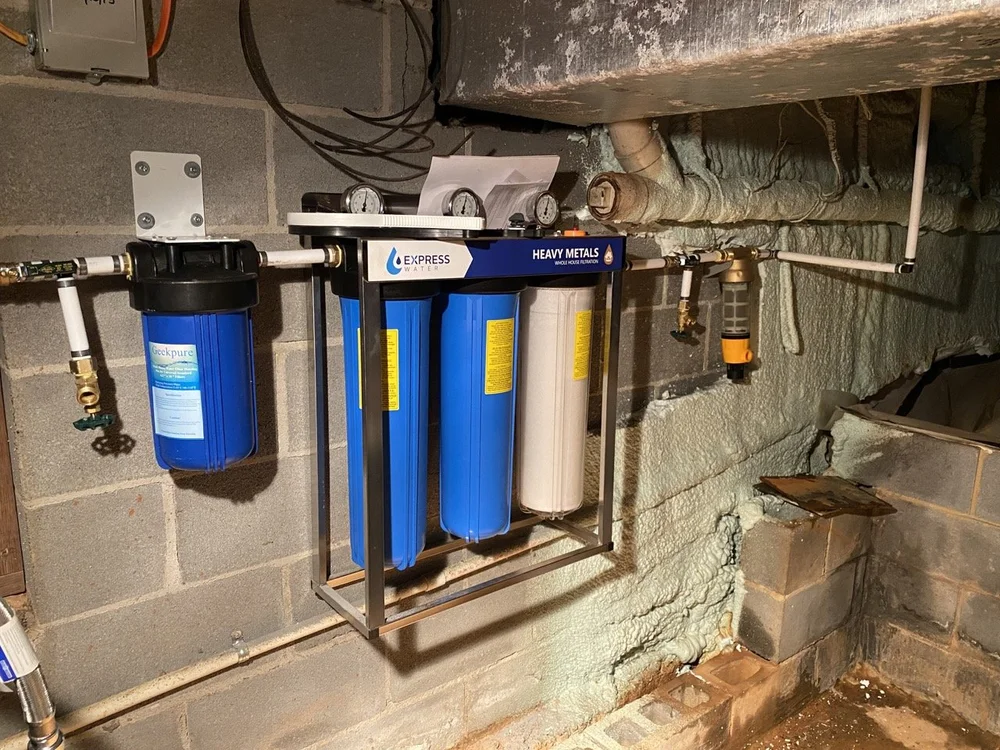
Clean and safe drinking water is one of the most important needs of modern life. In today’s world, the population in every part of the world is growing day by day, so having traditional systems is no longer enough to meet daily demands. Smart water filtration technology is now changing the way we access and inspect the water quality at home and in industries.
These advanced systems use sensors, automation, and real-time data to enhance efficiency and safety of water filters.
In this blog post, we will cover what smart water filtration technology is, emerging trends in smart water filtration, and future prospects and challenges that could be faced.
What is Water Filtration Technology?
Water filtration technology is an advanced system that enhances how water is purified and inspected. Basically, this technology uses smart sensors, digital controls, and real-time data to eliminate harmful impurities more efficiently than traditional systems do.
These systems can inspect water quality, determine problems, and adjust automatically. The goal is to provide safer, cleaner, and more reliable drinking water for homes, offices, and industries.
5 Emerging Trends in Smart Water Filtration Technology
We all know that, technology is transforming almost every field of daily life. If we talk about water filtration, then here technology is changing the purification process in terms of efficiency and accuracy.
Here are five emerging trends in smart water filtration technology that you should know.
- IoT-Based Water Monitoring
The first and most useful trend in smart water filtration technology is the use of the Internet of Things (IoT) in water filters. These smart systems are directly linked to mobile applications or devices. They constantly check water quality in real time, such as pH level, impurities, and filter status.
With this, users can easily check water conditions and get alerts when maintenance of the filter is needed. This thing makes the system more convenient and reliable for every user.
- Artificial Intelligence Integration
Artificial intelligence has become a significant part in modern filter systems. Through artificial intelligence usage, smart filtration systems can learn habits and anticipate when a filter will need replacing or cleaning.
By preparing for when these events occur, we can avoid filter failures. Therefore, an AI-generated filtration system can maintain water quality on a continual basis. In addition, AI has modified the efficiency of filter systems by automatically changing filter amounts when the quality of the effluent water changes.
- Advanced Filtration Materials
New materials such as nanofibers and activated carbon, along with UV purification, are improving water cleaning results. These technologies are capable of removing even very tiny particles of bacteria and chemicals. This trend is making water safer and cleaner for drinking compared to traditional systems.
- Smart Home Integration
Smart water filters are specifically made to connect with smart home systems such as Alexa or Google Home. Homeowners can control water filters using voice commands or mobile apps.
This makes it easier for everyone to manage water usage, monitor filter health, and get immediate updates without manual checking.
- Eco-Friendly and Water-Efficient Systems
Sustainability is a growing focus in water filtration technology. The latest smart systems are made to decrease water waste and use electricity more efficiently. Some advanced systems also support water recycling and reuse, helping households and industries save water and protect the planet.
These are five trends that are shaping or may shape the future of water filter process.
Future Prospects and Challenges
Here are some future prospects and challenges related to the smart water filtration technology.
- Greater Use in Homes and Urban Areas
Smart water filtration systems will likely be more commonly found in homes, offices, and even whole metropolitan areas in the future years. People will need to increasingly rely on these systems to provide safe drinking water.
There are some obstacles to achieving this goal due to the expense of installing smart filtration systems. Costs may restrict usage in particular locations, especially in developing nations.
- Improved Quality of Water
Continued advancements in smart filtration will result in higher-quality water being produced and consumed. Due to improved automation and better detection systems, the problems related to contaminated water will be identified and resolved more quickly than before.
However, this is likely to create a challenge as to how well the system is maintained and if it continues to perform as intended over long periods of time without experiencing errors or any major technological problems.
- Greater Focus on Sustainability
Future filtration systems will put more emphasis on conserving energy and water. Many manufacturers are already developing environmentally friendly products. However, creating products with advanced capabilities while also providing water savings can be quite difficult.
Developed functionality or enhanced performance may cause an increase in the amount of energy consumed by the filtration system, creating additional issues related to the overall complexity of the system.
- Data and Maintenance Issues
Smart systems can track, collect, and store information about water quantities used as well as their quality. In the future, this data will serve to assist in enhancing performance and user experience.
Additionally, smart systems will require ongoing maintenance and technical support, which may add costs and require technicians with specific skill sets to perform the duties necessary for operating the systems.
Conclusion:
Smart water filtration technology is shaping a cleaner and safer future for every single human being. It provides better control, improved water quality, and more convenience in daily life.
While there are still some obstacles to fix, the progress is promising. As technology continues to grow, these systems will become more budget-friendly, reliable, and pivotal for living a healthy life.
So, that’s all from our side – hopefully you will find the given information valuable and interesting!
Frequently Asked Questions
What are the advantages of smart filtration technology?
It offers a wide range of benefits such as improved accuracy, speed, and better control, maintenance alerts, and many more.
Are smart filtration systems suitable for home use?
Absolutely! These are specifically designed for residential usage.