
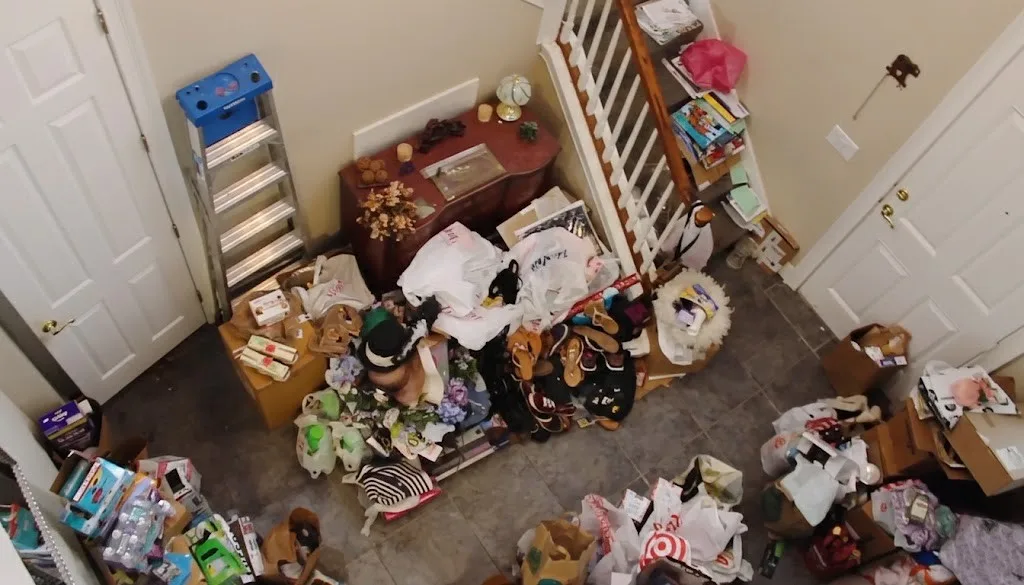
Living in a hoarded home is exhausting in ways that go far beyond the clutter. It affects safety, sleep, relationships, and the ability to simply move through a space without stress. Most people in this situation know something needs to change, but have no idea where to start or who to call. Hoarding experts exist specifically for this. They bring structure, safety, and genuine compassion to a process that feels impossible alone.
The Link Between Hoarding, Chaos, and Mental Strain
Hoarding is a recognized mental health condition affecting an estimated 2 to 6% of the population and is not simply disorganization or a lifestyle choice.
What Hoarding Disorder Is
Hoarding disorder involves persistent difficulty discarding possessions regardless of their value, combined with significant distress at the thought of letting go. It is rooted in anxiety, attachment, and often trauma.
How Clutter and Emotional Toll Compound Each Other
As clutter accumulates, it blocks exits, covers cooking surfaces, and makes daily routines impossible to maintain. At the same time, intense shame leads to social isolation and a reluctance to ask for help. Family members often respond with frustration rather than understanding, which escalates conflict and pushes the person further into withdrawal. As a result, the emotional burden and the physical one grow together, making professional support essential.
The Role of Hoarding Experts in Restoring Order
Hoarding experts restore order through a structured, client-led process that addresses safety, function, and emotional well-being simultaneously.
Assessment, Planning, and Hands-On Sorting
The process begins with a thorough walkthrough to identify safety hazards, prioritize rooms, and understand what the client wants to achieve. From there, a phased plan is built around manageable sessions rather than one overwhelming push. During sorting, experts guide every item through a clear framework:
- Keep: Items the client genuinely uses or values
- Donate: Usable goods directed to charities or community organizations
- Recycle: Materials handled through proper recycling channels
- Discard: Damaged, expired, or hazardous items removed for disposal
Experts use supportive prompts like “When did you last use this?” rather than pressure tactics, keeping the client engaged and in control throughout.
Deep Cleaning and Health Hazard Removal
Once areas are cleared, professional cleaning begins using industrial-grade products on floors, walls, kitchens, and bathrooms. Mold, pest residue, and biohazardous materials are handled by certified technicians following proper safety protocols. Restoring a functional kitchen or accessible bedroom has an immediate impact on daily life and reinforces that real progress is happening.
How Hoarding Experts Support Peace of Mind
Trained specialists communicate without judgment or impatience, and no item is ever discarded without the client’s consent. Forced clear-outs, even well-meaning ones carried out by family members, frequently cause severe distress and destroy the trust needed for lasting progress. Experts also coordinate with licensed therapists who specialize in hoarding disorder, ensuring the emotional roots of the condition are addressed alongside the physical environment.
Working in Small, Manageable Stages
Sessions are kept to two to four hours to prevent decision fatigue. Progress is acknowledged at the end of each session, so the client sees what has been achieved rather than focusing only on what remains. This builds momentum without burning out the person at the center of the process.
Lasting Change: How Experts Help Prevent Relapse
Clearing a home is the beginning, and hoarding experts focus on building systems that sustain order going forward:
- Teaching simple organizing habits tailored to how the client actually lives
- Scheduling follow-up visits to address fresh accumulation early
- Connecting clients with local support groups and community mental health services to reduce isolation
These steps significantly reduce the risk of the home returning to its previous state within months of the initial cleanup.
When to Call a Hoarding Specialist
Call a specialist if you observe any of the following:
- Blocked exits or pathways create a fire safety risk
- Visible mold, structural damage, or biohazardous materials
- Legal notices from housing authorities requiring cleanup
- The person refuses all visitors out of shame or shuts down when cleanup is mentioned
- Family conflict about clutter that has become frequent and damaging
Family-led cleanouts frequently end in conflict and a rapid return to clutter. Without trained communication and a structured plan, the emotional dimension of hoarding is ignored entirely, and progress rarely lasts.
Choosing the Right Hoarding Expert and Supporting a Loved One
Look for specialists with IICRC certification, liability insurance, biohazard handling credentials, and documented hoarding-specific experience. Before booking, ask how they involve the client in sorting decisions, how biohazards are handled, and what aftercare is included. Always get a written quote covering labor, disposal, and add-on services.
When supporting a loved one, approach conversations from concern rather than frustration. Use language like “I am worried about you” rather than “You need to deal with this.” The most effective outcomes happen when family members, mental health professionals, and cleanup experts work toward the same goals at a realistic pace.
Takeaway
Hoarding experts restore safety, rebuild daily functioning, and provide the structured, compassionate support that makes lasting change possible. Professional help is the most effective and humane path forward.
LifeCycle Transitions specializes in hoarding cleanup that puts people first at every stage. The trained team works respectfully alongside clients and families, moving at a manageable pace and never losing sight of the person behind the clutter. From initial assessment to follow-up care, they are with you every step of the way.