
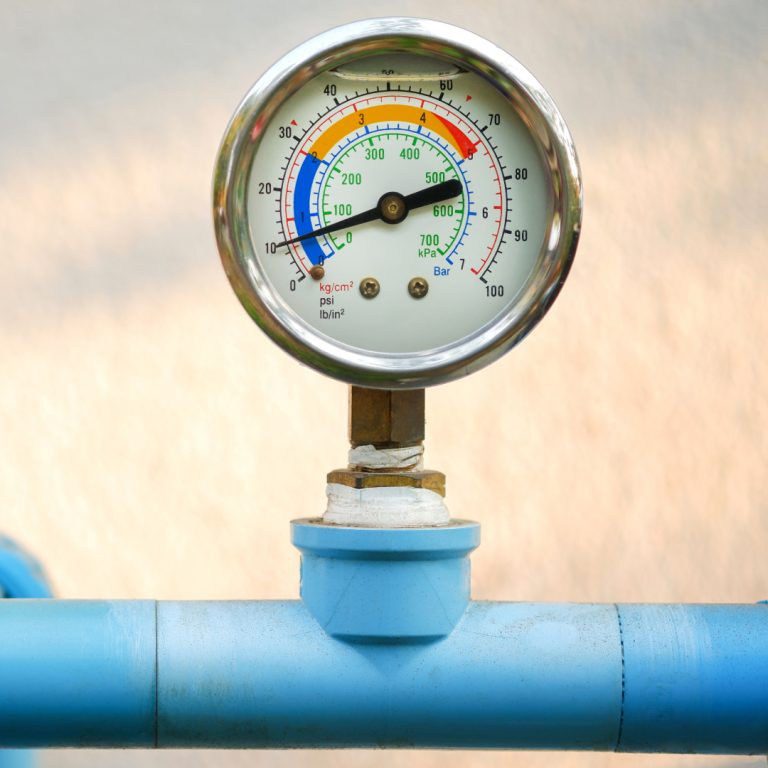
A water meter can reveal leaks that stay hidden behind walls, below floors, underground, or inside rarely visited rooms. By watching usage when fixtures should be inactive, homeowners can spot unusual water movement earlier. The process works best when meter checks are combined with simple household observations rather than treated as a one-time test.
Learn How Your Meter Shows Water Use
Meters may use mechanical dials, digital displays, or utility-provided remote reading systems. The exact appearance differs, but the goal is the same: determine whether water continues moving through the system when nothing should be using it.
Before testing, turn off faucets and make sure appliances such as washing machines and dishwashers are not filling. Remember that toilets, water softeners, irrigation systems, humidifiers, and automatic equipment may use water without obvious activity.
Run a Quiet-House Meter Check
Choose a period when nobody needs water. Record the meter reading, avoid intentional water use, and check again after a reasonable observation period.
This type of routine fits naturally alongside home maintenance inspiration because small periodic checks can reveal problems before they become visible damage. If the meter changes, do not immediately assume a hidden pipe has failed. First rule out normal automatic water users.
A toilet with a leaking flapper, for example, can consume water intermittently without making much noise.
Divide the House Into Likely Leak Sources
Once unexplained use is confirmed, narrow the search. Check toilets, faucet drips, appliance supply hoses, irrigation systems, outdoor taps, water heaters, and accessible pipe joints.
Renovation or maintenance planning that includes household design concepts can make valves and plumbing connections easier to reach later. Practical access matters because isolating individual fixtures or zones can help determine where unexplained consumption originates.
| Meter Pattern | Possible Explanation | Next Check |
|---|---|---|
| Constant slow movement | Continuous leak | Toilets and visible plumbing |
| Occasional movement | Cycling equipment | Appliances and irrigation |
| Overnight increase | Hidden recurring use | Timers and toilet valves |
| No movement | No active leak detected | Continue routine monitoring |
Use Smart Monitoring for Longer-Term Patterns
Some monitoring systems track flow continuously and flag unusual activity. These tools can be useful for leaks that occur only at certain times or are too small to notice during a short manual check.
Longer-term data may show an unexpected overnight flow pattern or water use while a house is empty. That can support broader home comfort planning by helping households address plumbing issues before they disturb rooms, flooring, cabinetry, or daily routines.
Automated alerts are helpful, but they should not replace occasional physical inspection.
Where Meter Monitoring Can Mislead You
A changing meter does not identify the leak location by itself. Automatic ice makers, irrigation valves, softener regeneration, humidifiers, and toilet refills can all create legitimate or semi-hidden water use.
Another mistake is relying on a single short test. Intermittent leaks may not happen during that window. Compare observations across different times and isolate known water-using equipment where practical. If the meter continues to show unexplained flow after obvious sources are eliminated, professional leak detection may be warranted.
Frequently Asked Questions
Can a water meter detect a very small leak?
A meter may reveal small continuous usage, but sensitivity varies by meter type and flow rate. Repeated readings over a longer quiet period can sometimes make minor unexplained consumption easier to notice.
Why does my water meter move when nobody is using water?
Automatic equipment may still be operating. Toilets can refill silently, irrigation may run on a schedule, and certain appliances or treatment systems use water automatically. Confirm those sources before assuming a concealed pipe leak.
Should I turn off the main valve during a meter test?
Not during the initial whole-house test, because the goal is to see whether water is flowing through the meter while fixtures are supposedly inactive. Later isolation tests may involve closing selected valves to narrow down the source.
Turn Meter Readings Into an Early-Warning Habit
Water meter monitoring is most useful as a repeated maintenance practice. Learn how your meter displays flow, check it during quiet periods, investigate unexplained changes, and compare patterns over time. Meter readings will not locate every leak, but they can provide an early clue that water is going somewhere it should not.